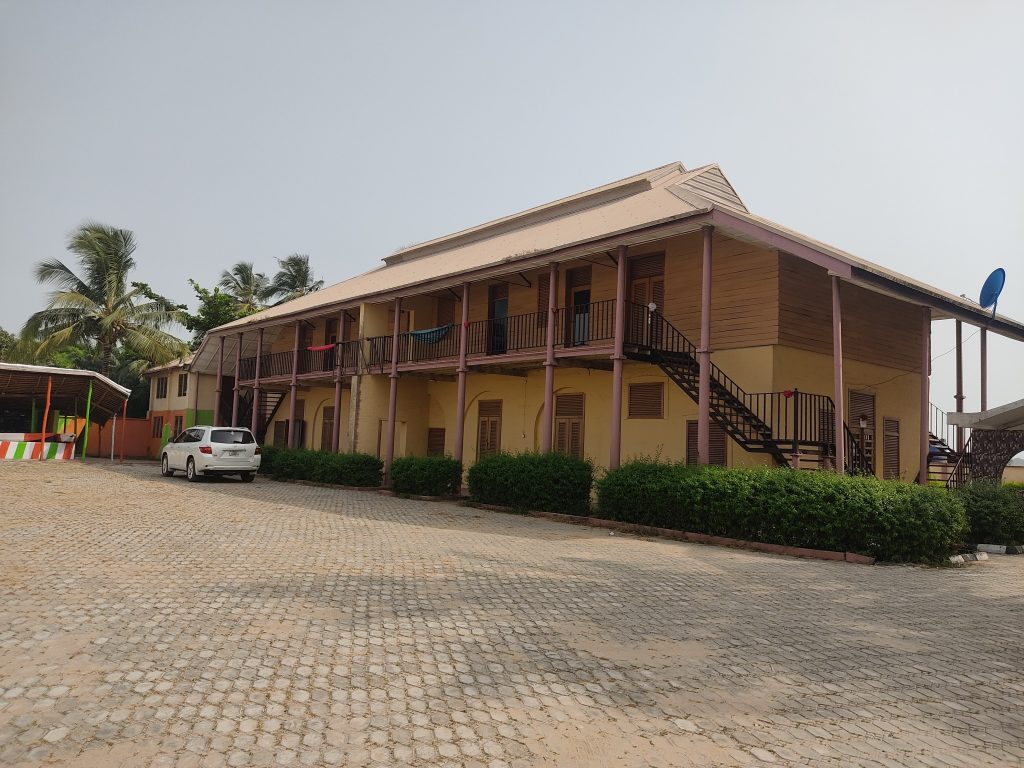

Nestled along Lander Road in Marina, Badagry, stands a landmark of colonial architecture. Built in 1863, this structure once served as the administrative headquarters for the British District Officer. However, in 2002, under the administration of then-Governor Bola Ahmed Tinubu, the building was reimagined and reborn as the Badagry Heritage Museum—a sanctuary dedicated to preserving the rich and complex legacy of the region.
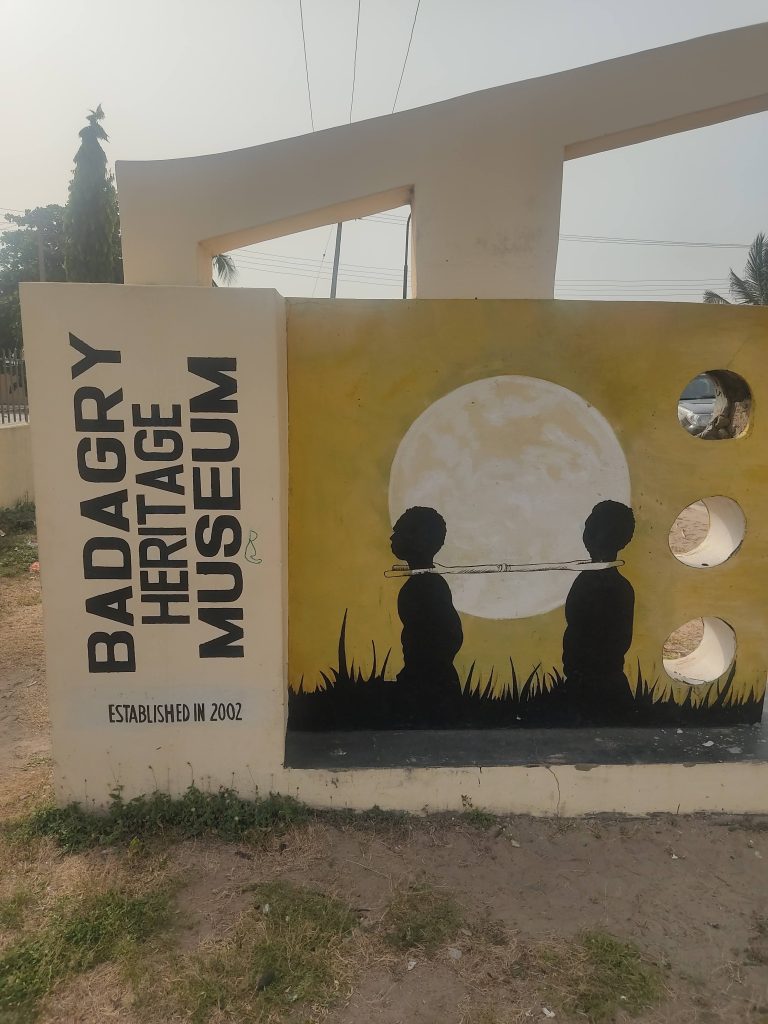
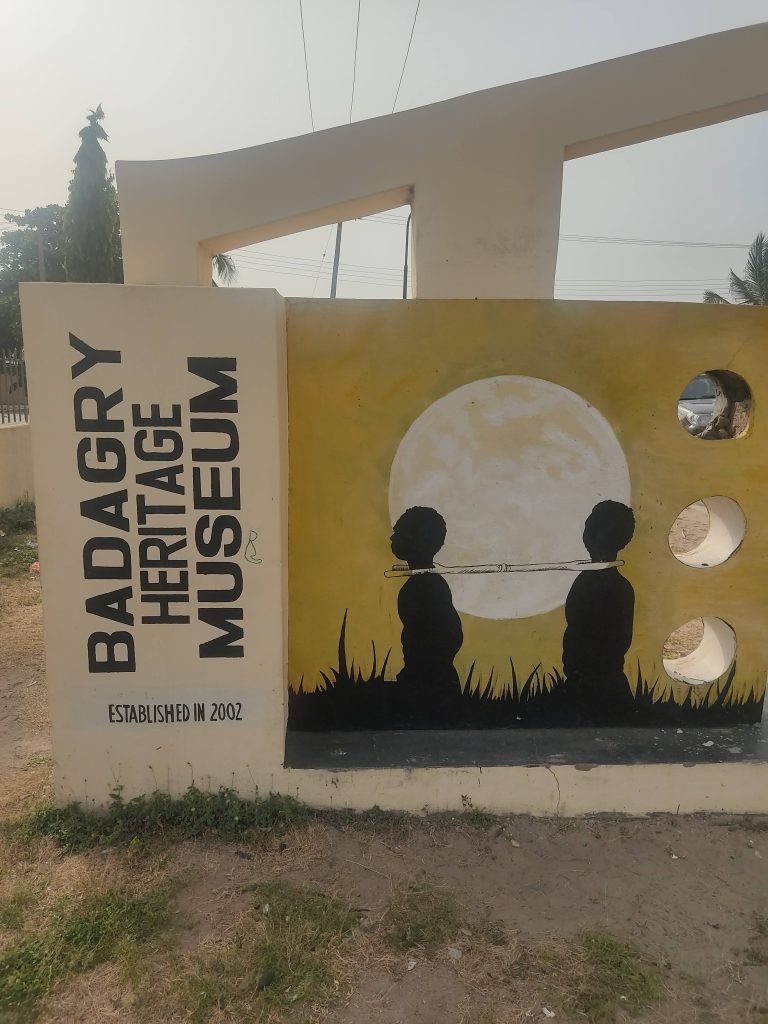
Stretched across the museum’s outer fence, a striking piece of graffiti serves as a gateway to the past. It’s more than just art; it’s a visual narrative of a stolen history, preparing every visitor for the weight of the story inside. This is where the story of the slave trade begins.
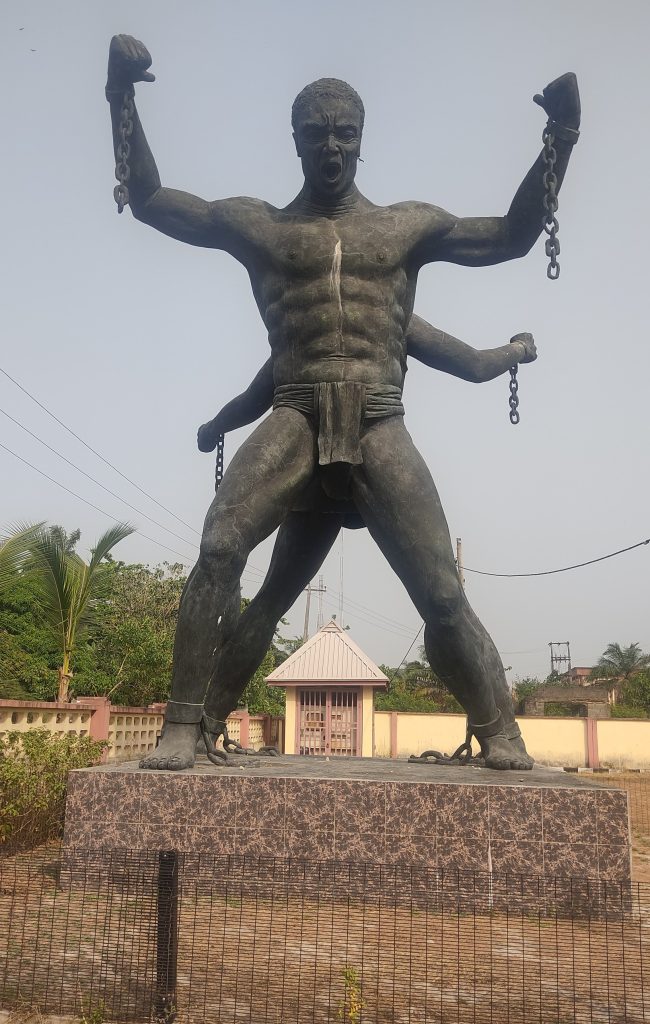
The chains are broken. You are free. This striking statue at the Badagry Heritage Museum entrance marks the definitive end of the slave trade era. I call it the liberty statue.
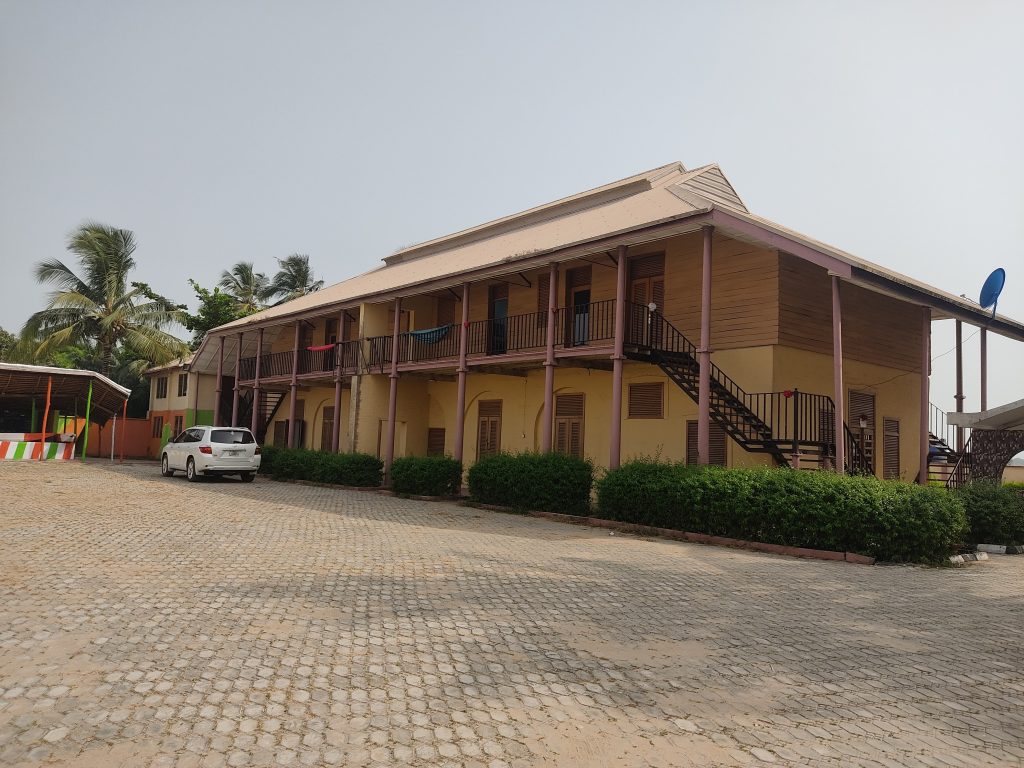
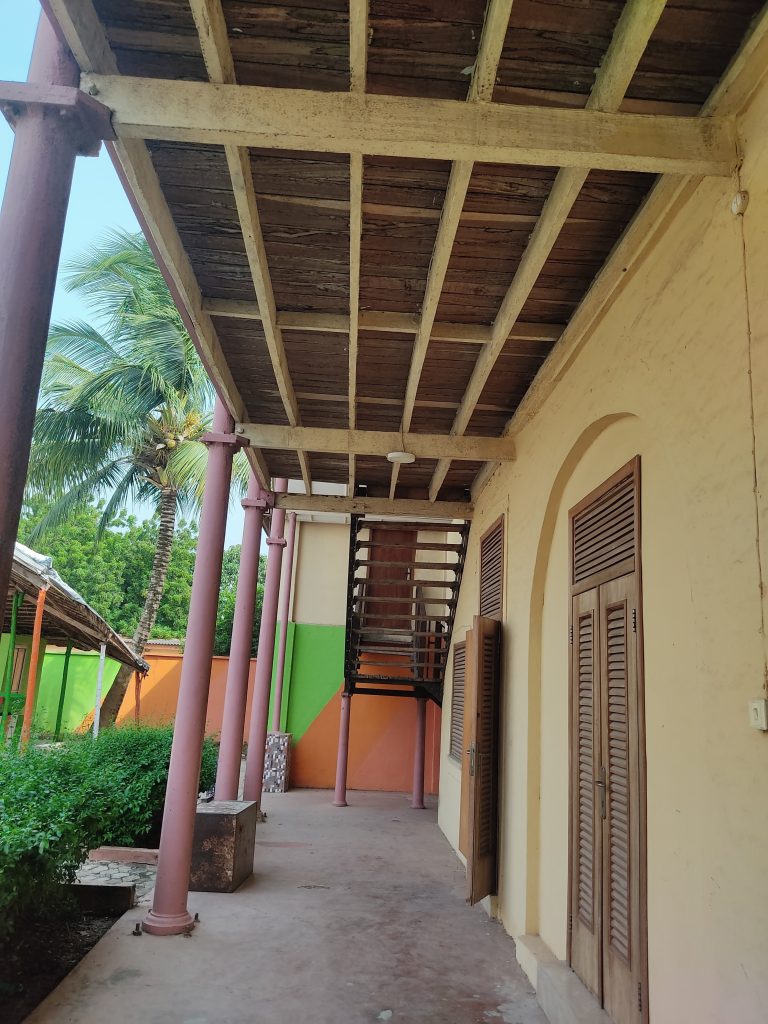
The approach to the museum reveals a beautifully restored colonial building nestled in a serene landscape. Its defining feature is a long wooden veranda supported by steel pillars, which runs parallel to a series of tall, narrow windows and custom wooden doors. The building features wide, dramatic roof eaves engineered with angled steel supports to provide maximum weather protection. Four metal staircases are attached externally to the structure, complementing an exterior finish of painted surfaces and natural wood paneling.
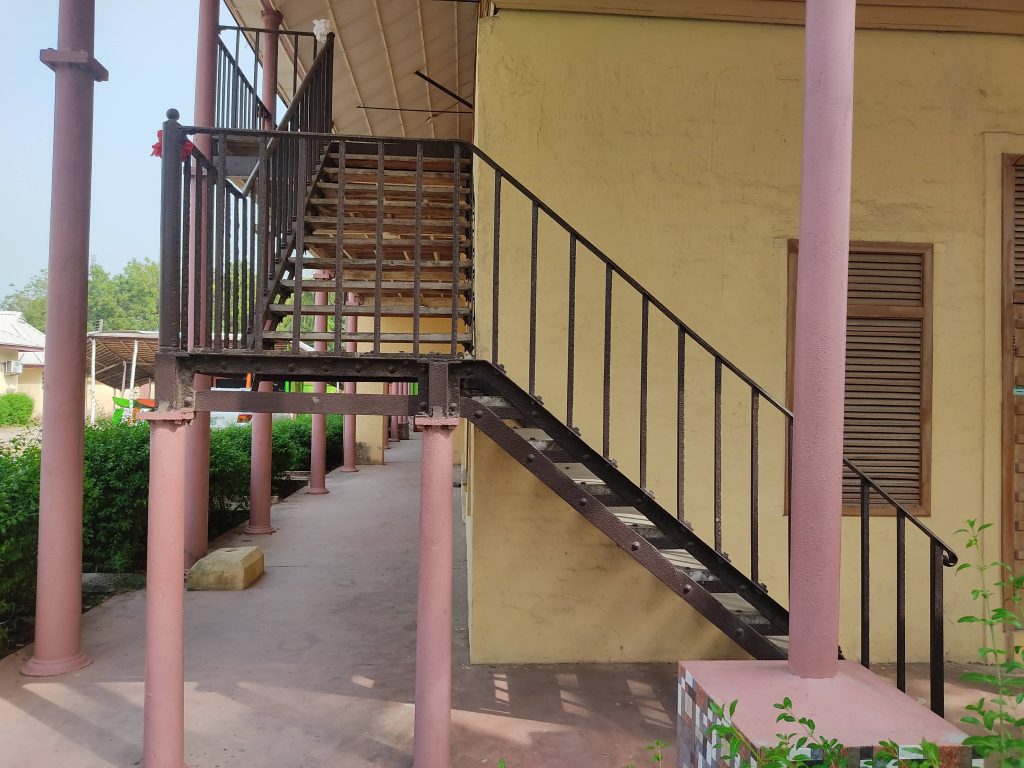
The building features a wide, deep wooden veranda reinforced with steel supports. This area is fully protected by long roof eaves engineered at a sharp 45˚ angle to shield the veranda from the elements
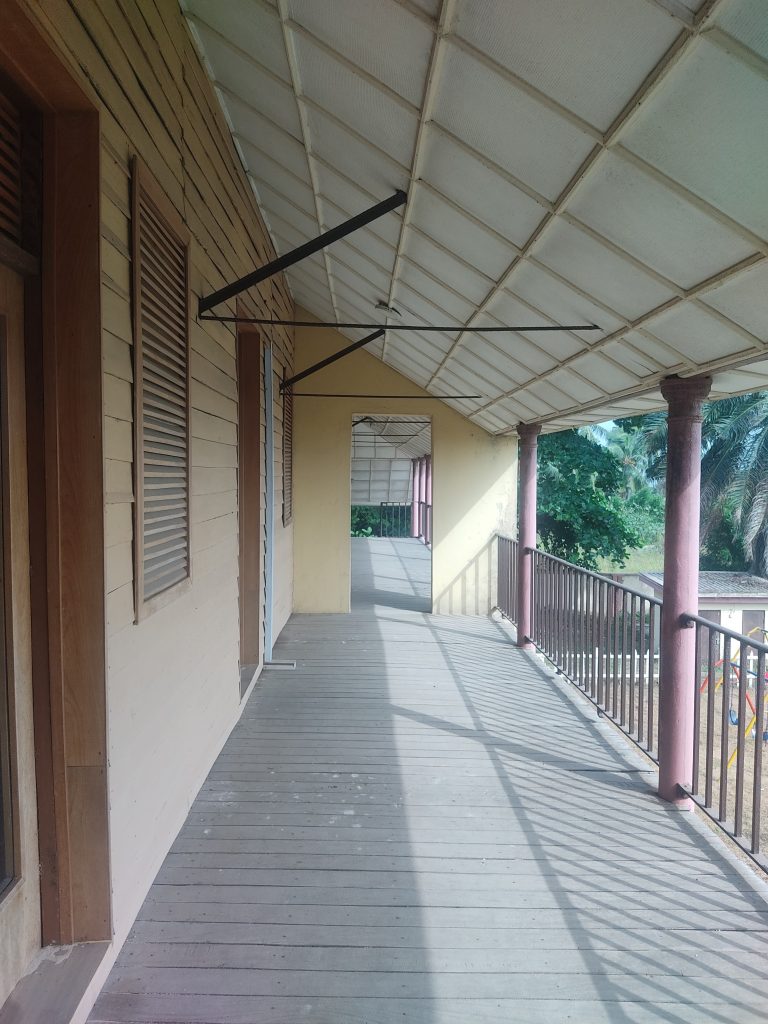
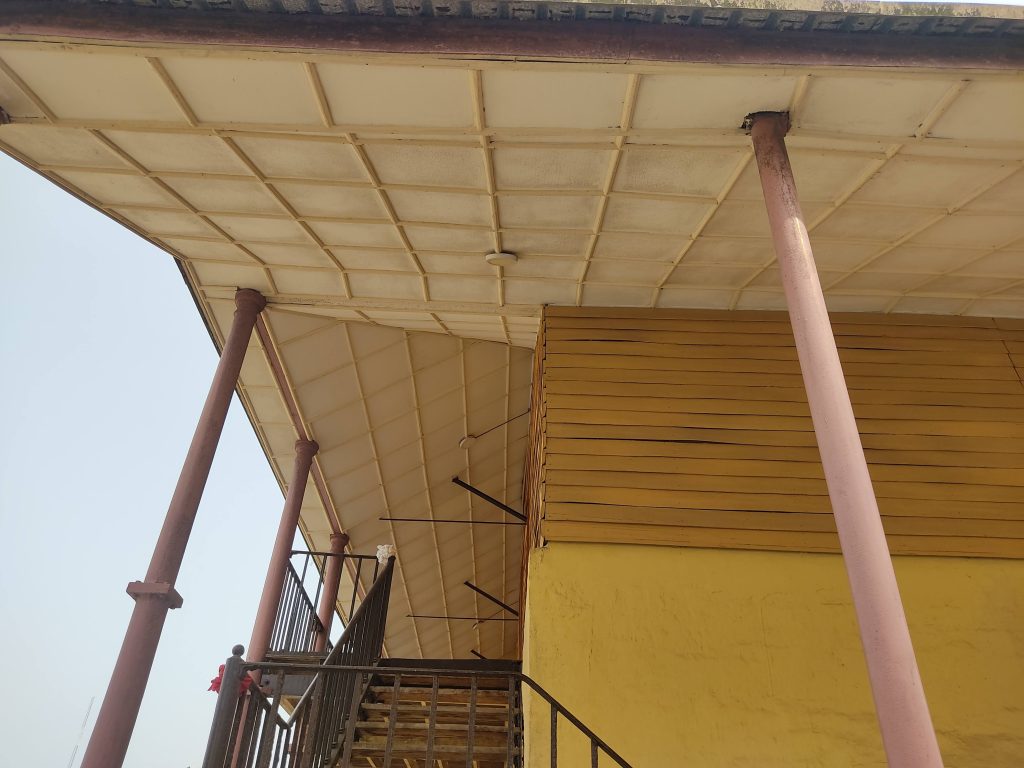
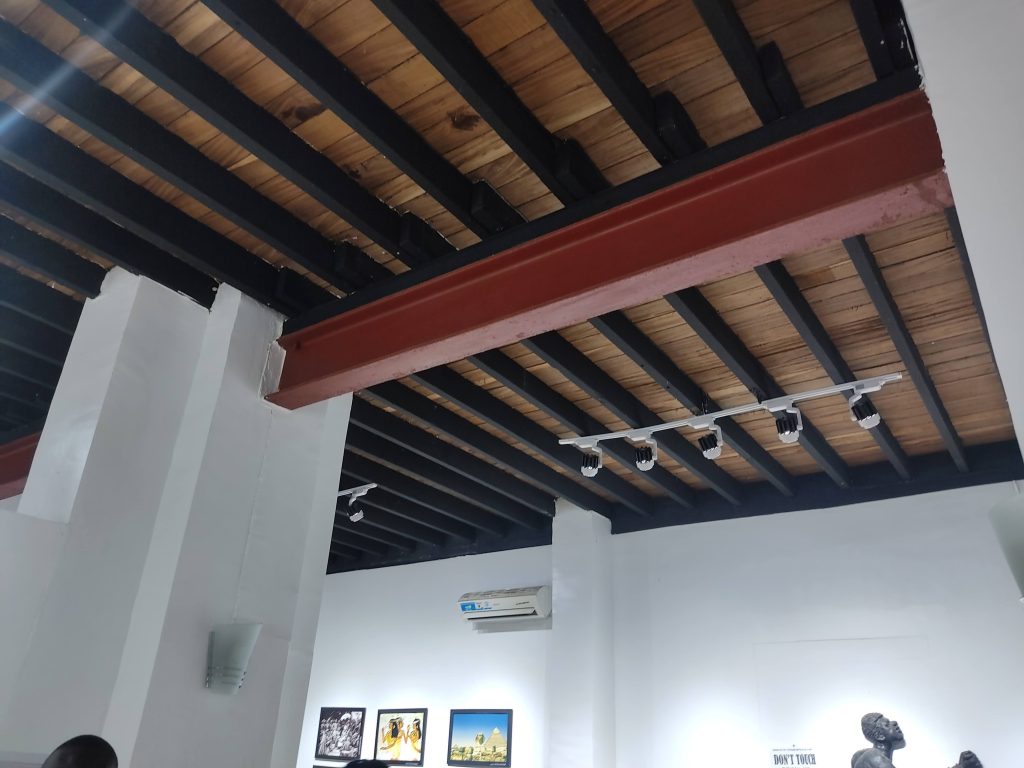
Crafted from corrugated wood, the windows and doors are paired with clear glass partitions to maintain an open, transparent view. The interior of the museum features prominent steel beams, structural rafters, and a rich wooden ceiling. Positioned directly above the exposed rafters, the ceiling creates a striking overhead contrast that adds to the space’s unique aesthetic appeal.
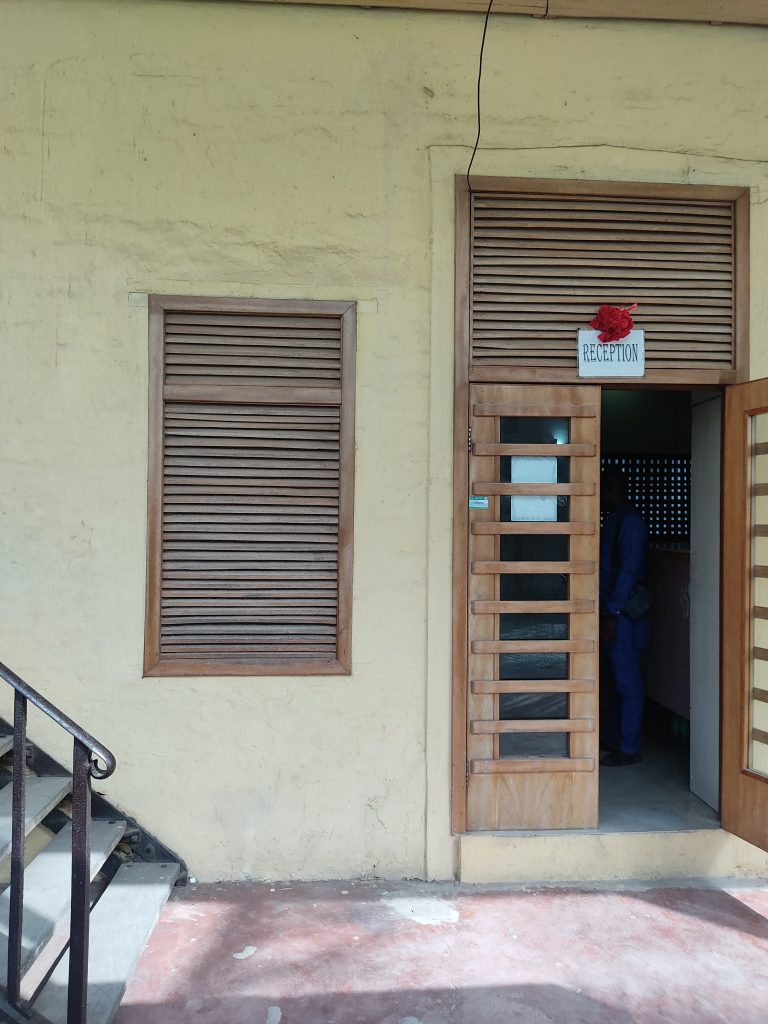
The interior of the museum features prominent steel beams, structural rafters, and a rich wooden ceiling. Positioned directly above the exposed rafters, the ceiling creates a striking overhead contrast that adds to the space’s unique aesthetic appeal.
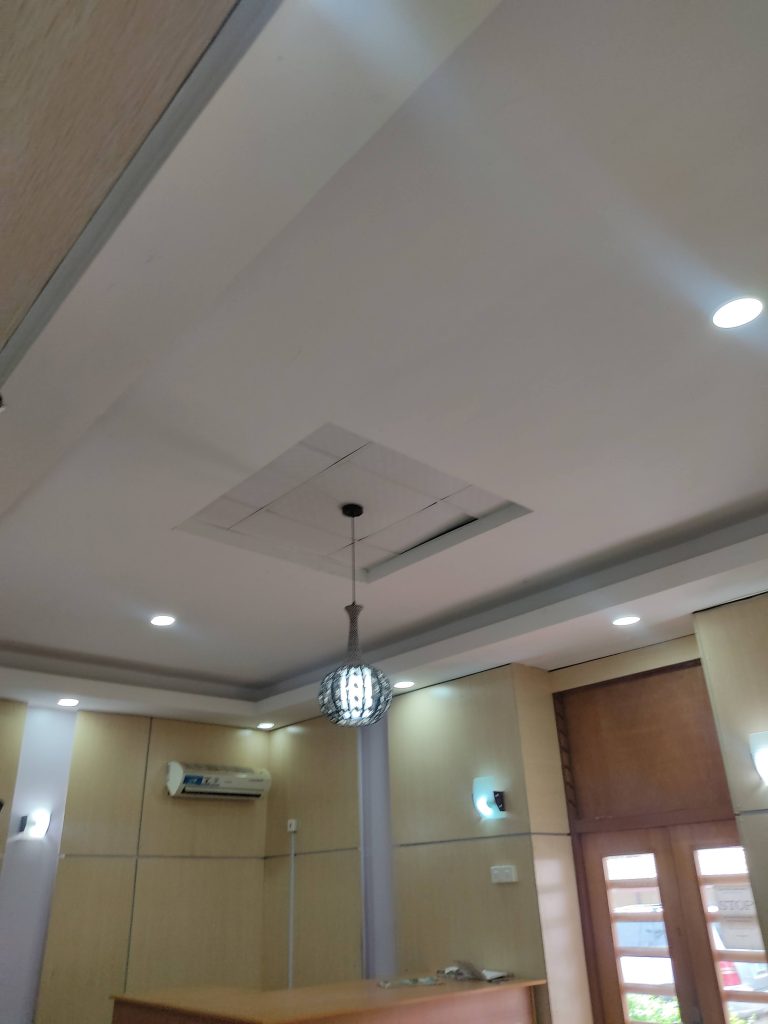
In certain areas, the interior is finished with Plaster of Paris (POP) ceilings and HDF wooden wall panels. Designed to harmonize with the wooden profile windows, these finishes introduce a contrasting, refined ambience to the space.
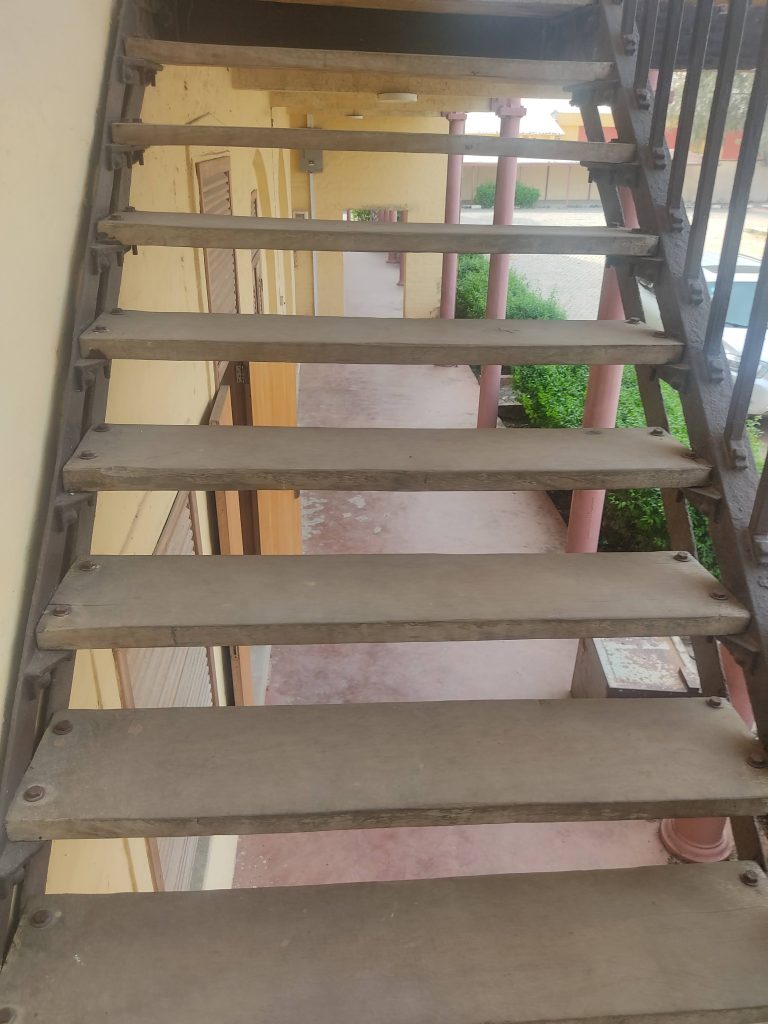
The installation of the wooden staircase treads is secured using structural nuts and bolts, a mechanical fastening technique similarly applied to the steel balustrades.
The interior flooring incorporates a combination of natural wood and ceramic tiling.
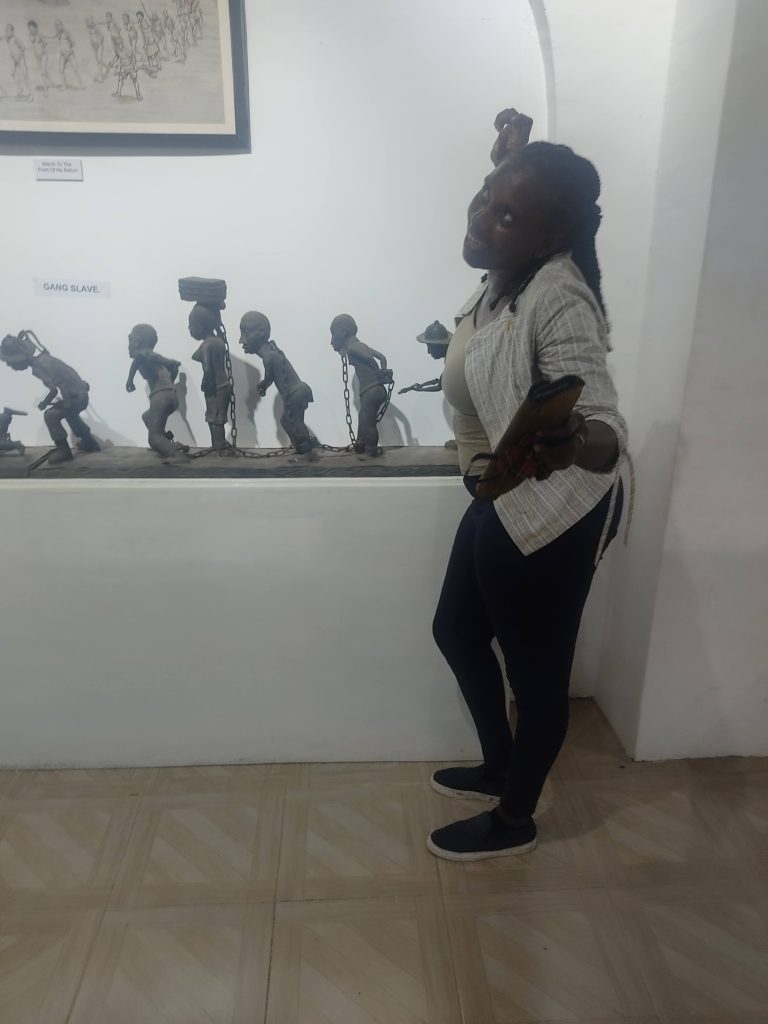
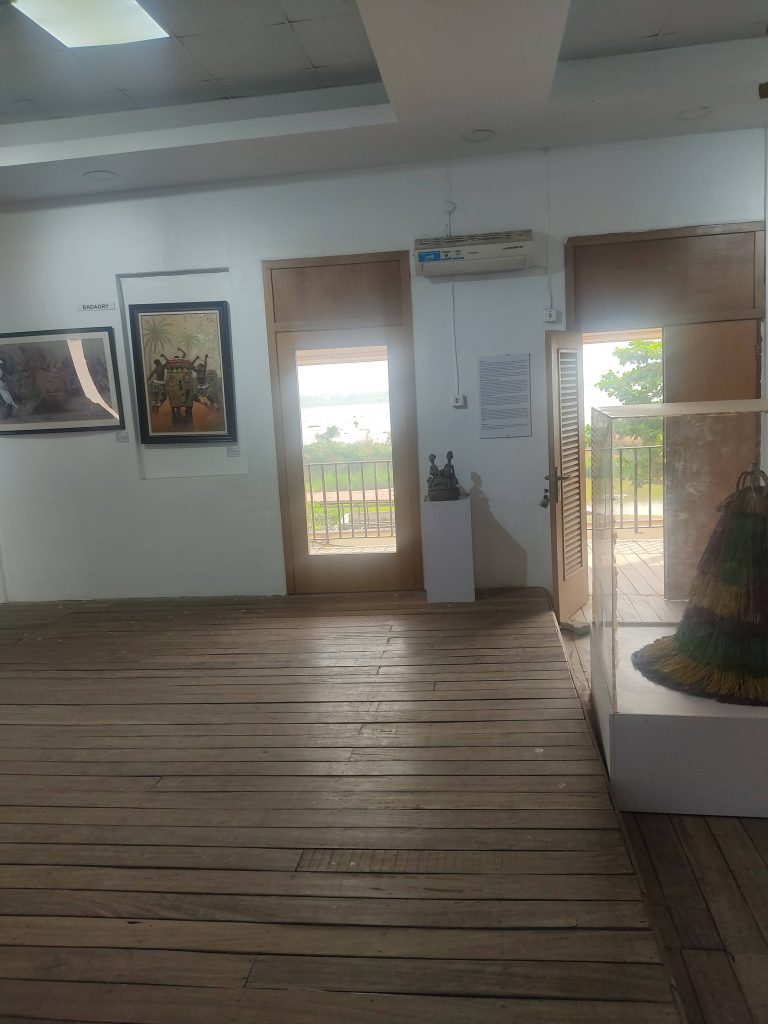
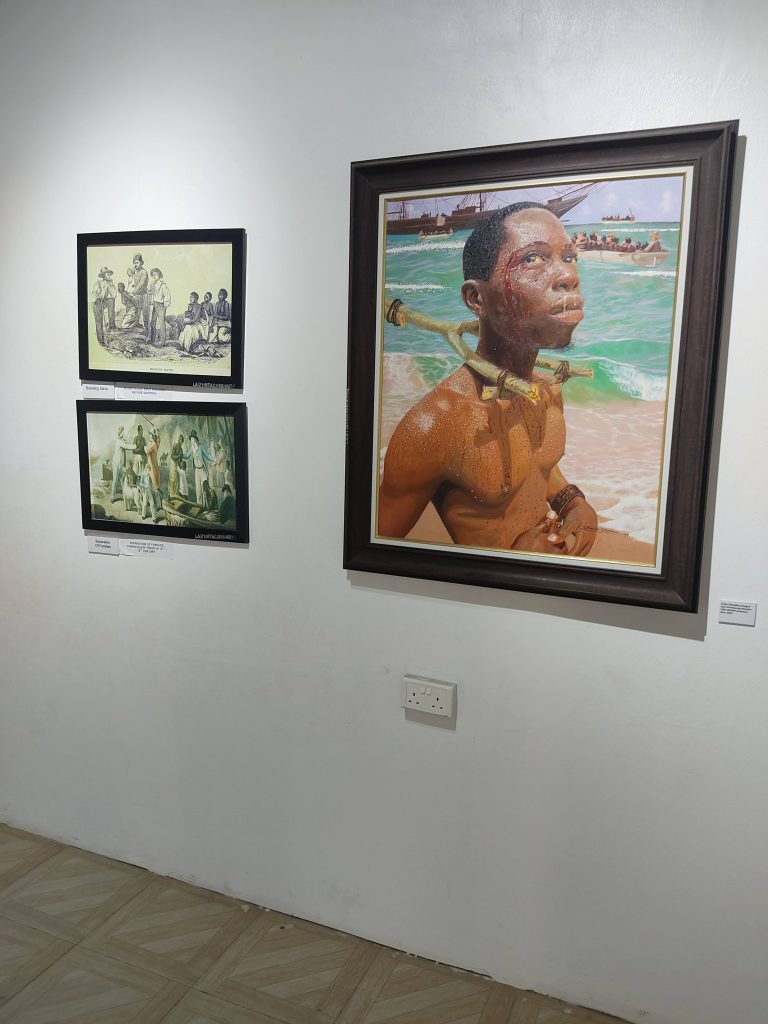
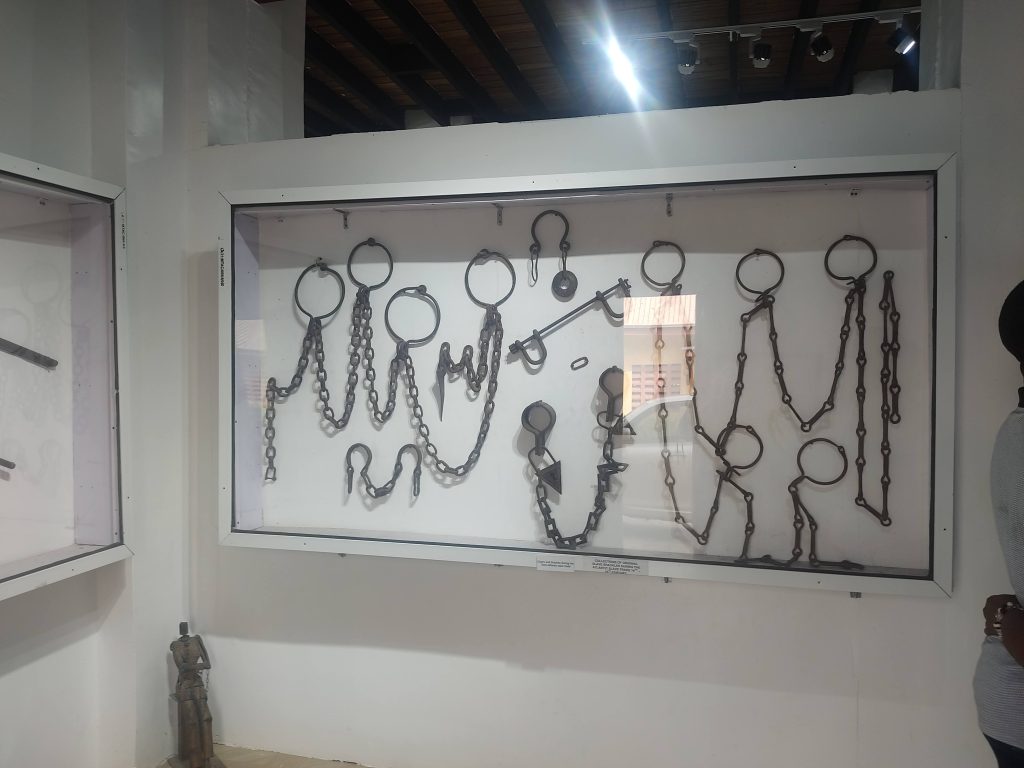
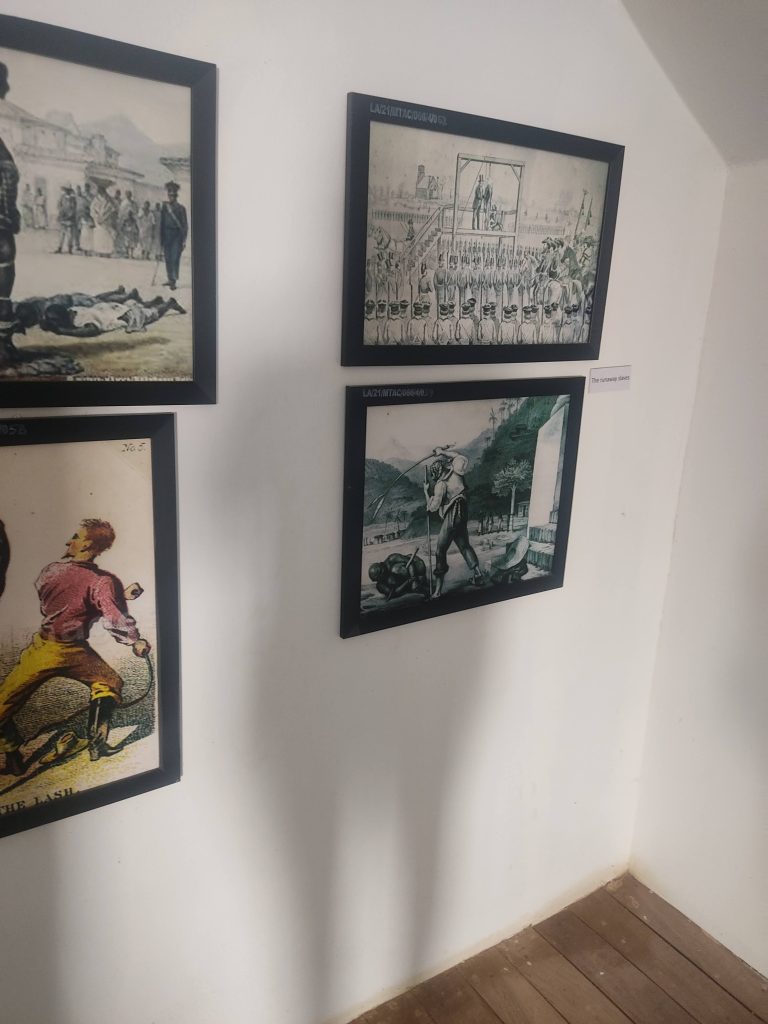
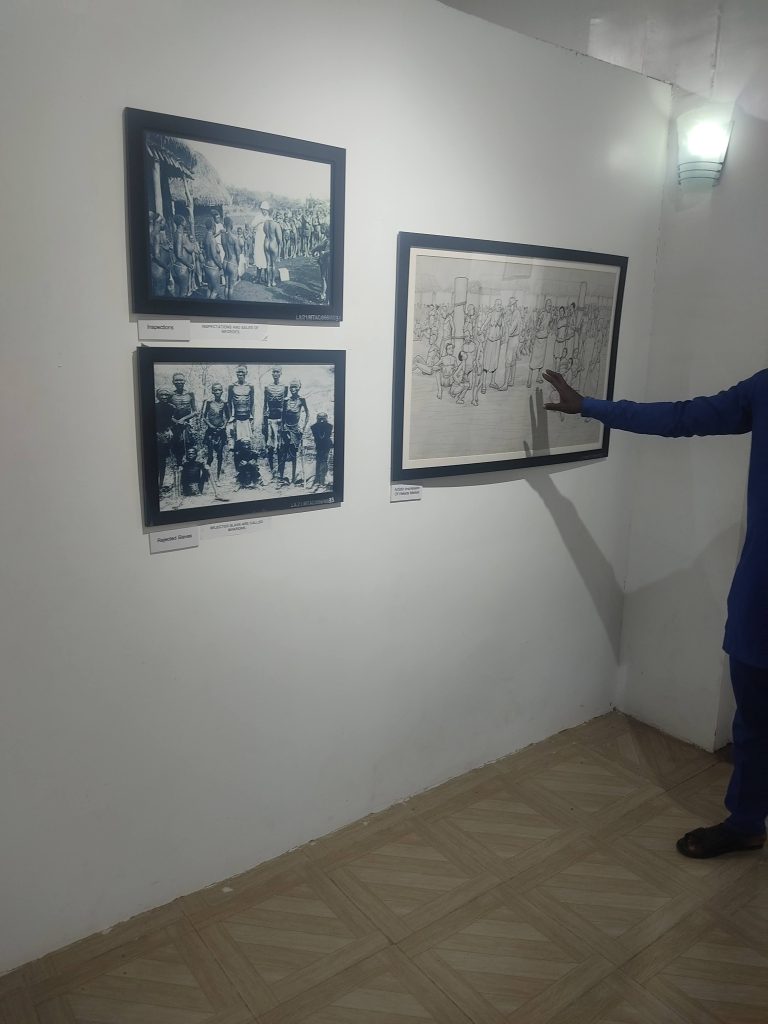
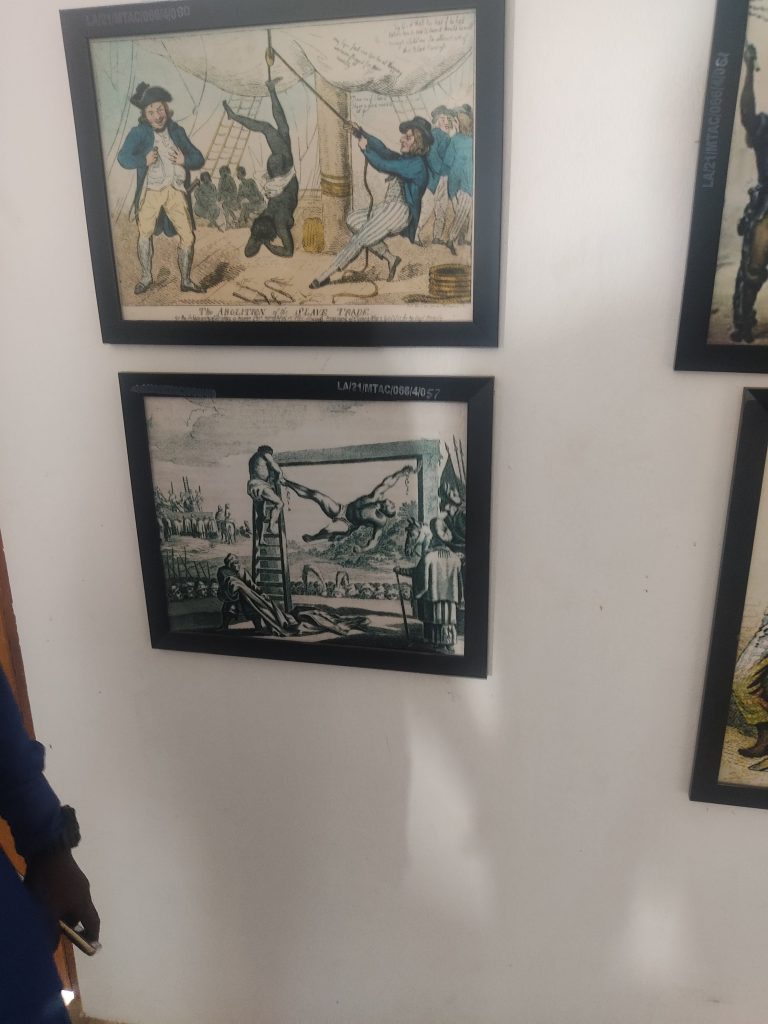
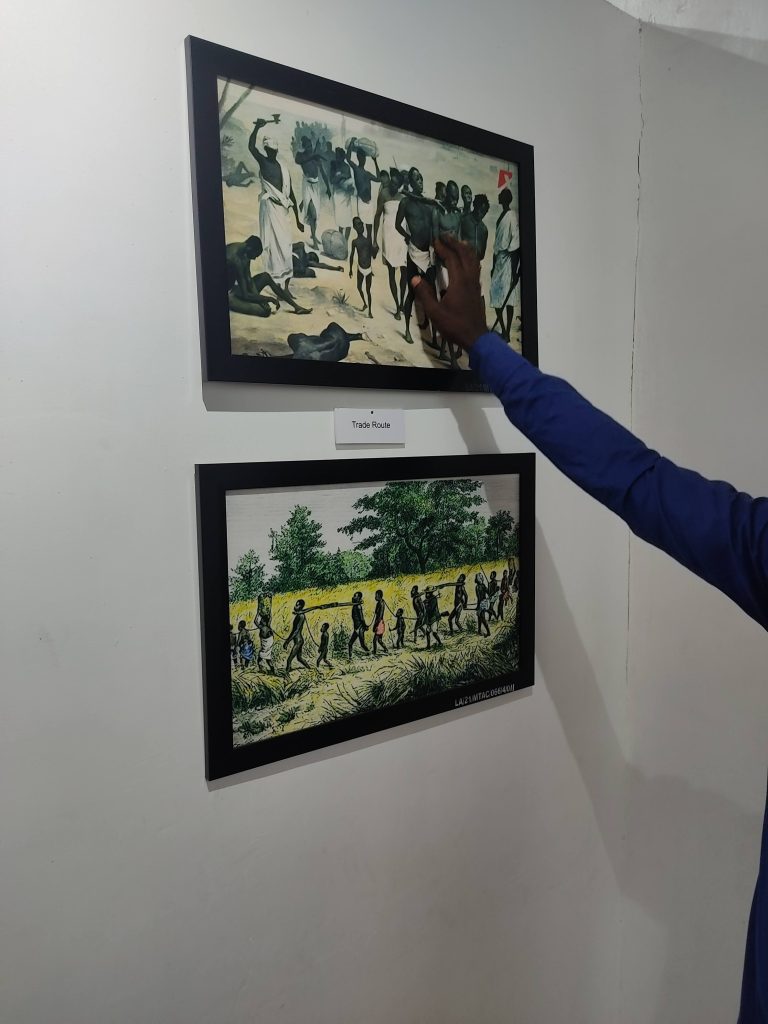
The museum chronicles the history of the slave trade by displaying exhibits exposes the brutal realities endured by captives, showcasing the binding tools, restraint manacles, and weapons used to torment, detain, and subdue them. Visitors can trace the journey of the enslaved—from their confinement in dark barracoons and sale at local markets to their tragic transport along slave routes toward the historic Point of No Return. The exhibits also illustrate trade practices, including how currency and wealth were safeguarded during that era. Among the most poignant features are the statues of Mr. and Mrs. Newton Northup, an enslaved couple forced into marriage to produce children for the trade.